

Bringing home a puppy or kitten is exciting, and the first month shapes a lot of what comes next. Here’s the short answer: in the first 30 days, schedule a veterinary exam within the first few days, keep food and routines steady, stay on track with vaccines and parasite protection, and use every day to get your pet comfortable being handled. At Hog Mountain Animal Hospital in Dacula, GA, we guide new pet families through that first month all the time, and this new puppy or kitten checklist breaks it down week by week so you’re never guessing what comes next.
This Article Will Address
- A week-by-week plan for your pet’s first month at home
- When to schedule the first veterinary exam
- What to pack for that first appointment
- Which vaccines come first for puppies and kittens
- How many vet visits to expect during year one
- What changes if your new pet is an exotic species
What Should You Do Week by Week in the First 30 Days?
Focus on safety and a first exam in week one, routines in week two, vaccines and parasite protection in week three, and long-term planning in week four. Treat it as a guide, since every pet settles in at its own pace.
Week One: Set Up Your Home and Book the First Exam
- Pet-proof your space by hiding electrical cords, blocking gaps behind appliances, and moving houseplants and medications out of reach
- Keep feeding whatever the breeder, shelter, or rescue was using, since a sudden food switch often causes an upset stomach
- Set up a quiet spot with a crate or bed, and for kittens, a litter box placed away from the food bowl
- Call to schedule a first exam within two to three days of bringing your pet home
Week Two: Build Routines and Start Gentle Handling
Puppies do best with potty breaks right after meals, naps, and playtime, while most kittens take to a clean litter box quickly. Spend a few minutes each day touching paws, lifting ears, and gently opening the mouth, then reward with a treat. It sounds minor, but a pet used to handling has a much easier time at exams and nail trims for life.
Week Three: Boosters, Parasite Protection, and Safe Socialization
- During this week your pet may need to get more vaccines. Follow the schedule set at your first visit for vaccines, deworming and parasite prevention.
- Stay on schedule with deworming, because roundworms and hookworms are extremely common in young pets
- Start monthly heartworm, flea, and tick prevention if your veterinarian hasn’t started it already
- Introduce new sounds, people, and surfaces at home, but skip dog parks and pet stores until the vaccine series is further along
Week Four: Nutrition, Spay and Neuter Planning, and Grooming
By now your pet should be eating well and gaining weight steadily. Ask about food and portions for your pet’s expected adult size, since large-breed puppies grow best on diets made for them, and talk through spay and neuter timing and microchipping. For puppies and long-haired kittens, a short first visit with Tara, our groomer, makes future baths far less dramatic.
When Should I Take My New Puppy or Kitten to the Vet?
Plan for the first veterinary visit within two to three days of bringing your new pet home, even if they seem perfectly healthy. Many breeders and adoption groups require an exam within a set window to keep their health guarantee valid.
That first appointment is a nose-to-tail exam where we check for parasites, congenital issues like heart murmurs or hernias, and anything a previous caretaker missed, then build a vaccine and deworming plan around what’s already been given. If your pet starts vomiting, has diarrhea, or stops eating before the visit, call us right away, because young animals can go downhill faster than adults. Our approach to puppy and kitten care also covers teething, developmental milestones, and early behavior questions.
What Should I Bring to My First Vet Visit?
Bring your pet’s medical records, a fresh stool sample, and a safe way to transport them. A few extras help too:
- Vaccine, deworming, and medication records from the breeder, shelter, or rescue, including dates and product names
- A stool sample collected within the last 12 hours, sealed in a bag or small container
- The name of your pet’s food and how much they eat daily
- A secure carrier for kittens and small breeds, or a snug collar and leash for larger puppies
- A written list of questions, since they’re easy to forget once a wiggly puppy or kitten is on the exam table
- A few small treats and a towel or blanket that smells like home
No records? That’s okay. We’ll build a plan based on your pet’s age and exam findings.
What Vaccines Do Puppies and Kittens Need First?
Puppies start with the DAPP combination vaccine, which protects against distemper, adenovirus, parvovirus, and parainfluenza. Kittens start with FVRCP, which covers feline herpesvirus, calicivirus, and panleukopenia. Both series usually begin between 6 and 8 weeks of age and repeat every three to four weeks until your pet is about 16 weeks old.
Major veterinary organizations such as the American Animal Hospital Association (AAHA) and the American College of Veterinary Internal Medicine (ACVIM) now consider the leptospirosis vaccine a core vaccine for all dogs. Leptospirosis is specially recommended for those dogs that spend time outdoors around standing water or wildlife. This vaccine is generally given in conjunction with the DAPP. It is started at 12 weeks and given again at the end of the puppy series at around 16 weeks of age.
Rabies comes a little later, usually between 12 and 16 weeks, and in Georgia is required by law for dogs, cats, and ferrets. Beyond these core vaccines, we recommend others based on how your pet will live:
- Bordetella, often called kennel cough, for puppies that will board, attend daycare, or join training classes
- Canine influenza for social dogs that meet lots of other dogs
- Feline leukemia (FeLV) for kittens in their first year, since a kitten’s lifestyle often changes as they grow
Why so many boosters? Antibodies from the mother can block a vaccine, and they fade at different times in different animals, so repeat doses make sure protection kicks in. We tailor all pet vaccinations to your pet’s age, health, and daily routine rather than following a one-size-fits-all chart.
How Often Should a New Pet See the Vet in Year One?
Most puppies and kittens see the vet every three to four weeks until they’re around 16 weeks old, which usually means three or four visits in the first few months. Many pets then return for spaying or neutering around five to six months, depending on breed and size, and again at one year for a checkup and boosters.
Added up, most new pets have five or six appointments during their first year. Each one is a chance to track growth, adjust food portions, update parasite prevention, and catch small problems before they turn into big ones. Once your pet reaches adulthood, the schedule relaxes to an annual wellness exam for most healthy dogs and cats.
What if Your New Pet Is a Rabbit, Bird, or Reptile?
Exotic pets need a first exam within their first week or two at home too, often more urgently than owners realize. Rabbits, birds, reptiles, ferrets, and guinea pigs hide illness well, and many of their problems trace back to diet, lighting, temperature, or enclosure setup.
In the USA, pet rabbits need vaccinations to protect them from fatal viral diseases like rabbit hemorrhagic disease (RHDV/RHDV2). Even indoor rabbits are at risk as the disease can be spread through cloths, shoes and forage green (hay). This vaccine is given twice at first, three weeks apart, and then annually thereafter.
Currently there is no specific avian vaccine. West Nile Virus (WNV) vaccine is given off label to raptors kept in captivity by falconers. At Hog Mountain Animal Hospital, we will vaccinate raptors against WNV in an attempt to protect them against this often fatal disease. The vaccine is given twice at first, three weeks apart, and then annually thereafter.
Not every animal hospital sees these patients, which is one reason families bring them to us. Dr. Martinez holds a master’s degree in wild animal health and has extensive experience in exotic pet, zoo, and wildlife medicine, so a bearded dragon or cockatiel is as routine for him as a Labrador. Bring photos of the enclosure, a list of everything you’re feeding, and heat and UV lighting details for reptiles. It is also important to bring a sample of food and supplements you use. Our exotic pet medicine and surgery services cover everything from that first wellness check to more advanced care.
Book Your New Pet’s First Wellness Exam at Hog Mountain
Hog Mountain Animal Hospital is welcoming new puppies, kittens, and exotic pets right now, and we’d love to meet yours. Whether you need a first exam, a vaccine plan, or help making sense of rescue paperwork, our team in Dacula, GA is ready. Book online, call, or reach our front desk team to set up your visit, and explore our full range of veterinary services to see how we’ll care for your pet as they grow.
Sources
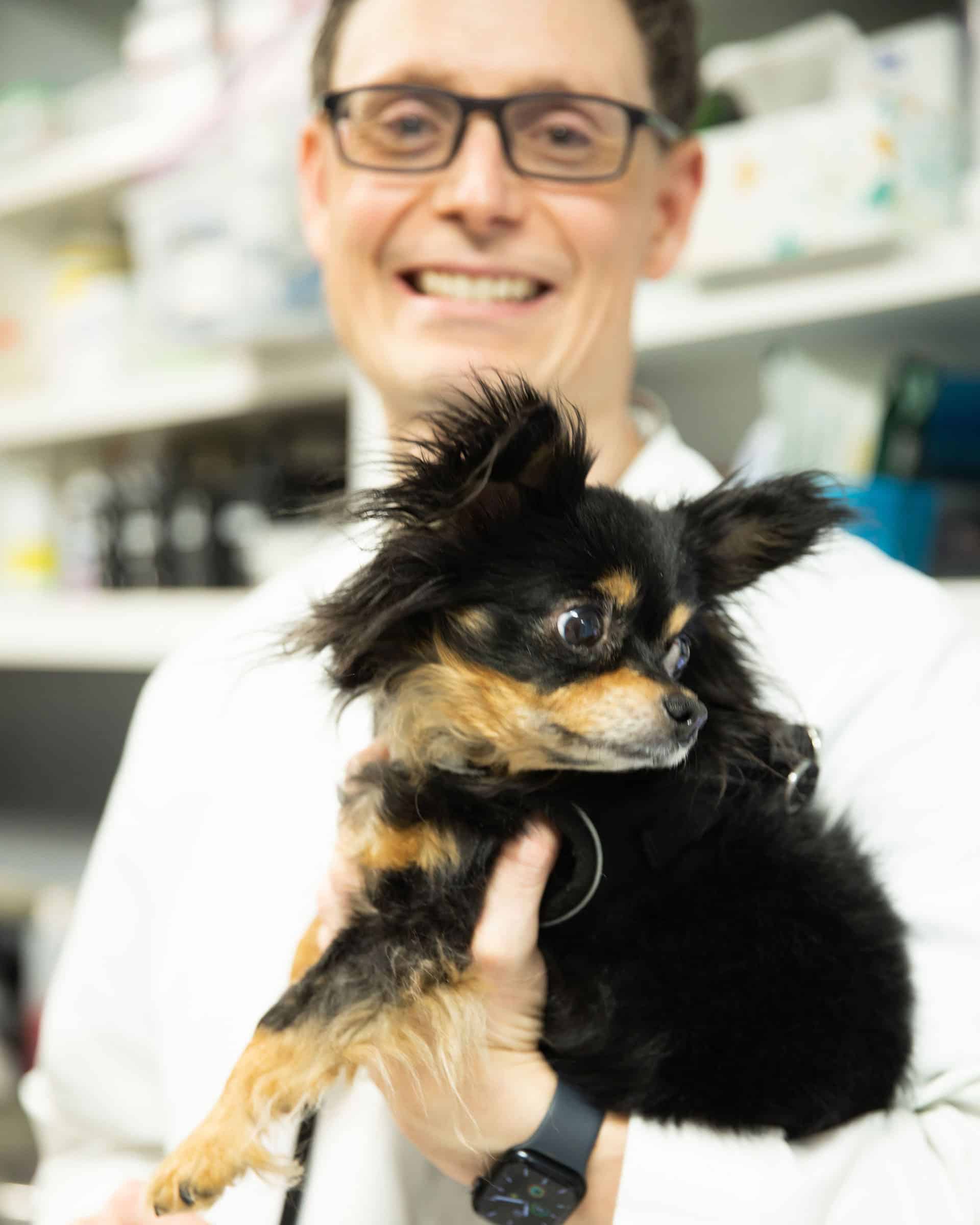
Dr. Martinez
Dr. David Martinez has more than 20 years of experience caring for pets at Hog Mountain Animal Hospital in Dacula, GA. He trained in exotic, zoo, and wildlife medicine at the University of Georgia and has a special interest in exotic pets. Outside the clinic, he’s a certified beekeeper and enjoys time outdoors with his family and his dog, Pippin.