

It’s one of the questions we hear most at the front desk: how often should my pet see the vet if nothing seems wrong? For most healthy adult dogs and cats, the answer is once a year. Puppies and kittens need a visit every 3 to 4 weeks until they’re about 16 to 20 weeks old, and senior pets do best with an exam every six months. At Hog Mountain Animal Hospital in Dacula, GA, we treat that schedule as a starting point and then adjust it to the animal in front of us, whether that’s a young Lab, a 12-year-old house cat, or a cockatiel.
Why does the schedule change with age? Pets age faster than we do, so a single year can hold a lot of change for a dog or cat. A puppy is building immunity one vaccine at a time. An adult pet is usually stable, but tartar, weight, and skin problems creep in slowly. A senior pet can go from normal kidney values to early disease in the space of a few months. And because most animals hide discomfort, an exam is often the only way to catch these changes before they show up as a sick pet at home. Each visit also adds to your pet’s record, so we can compare this year’s weight, heart sounds, and lab values against last year’s instead of guessing.
The payoff is simple: problems caught early tend to be easier on your pet and easier on your budget. Our practice is also built for households with more than one kind of animal. Dr. Martinez holds a master’s degree in wild animal health and has years of experience with exotic, zoo, and wildlife medicine, so the family with a dog, a cat, and a parakeet can keep everyone’s care in one place. We also line up checkups with vaccine and parasite prevention schedules, so a single visit covers as much as possible and you’re not making extra trips.
This Article Will Address
- The visit schedule for puppies, kittens, adults, and seniors
- Why indoor cats still need a yearly exam
- How checkups work for birds, reptiles, and small mammals
- What actually happens during a wellness exam
How Often Do Puppies and Kittens Need Vet Visits?
Puppies and kittens should see the vet every 3 to 4 weeks, starting with their first visit and continuing until they’re about 16 to 20 weeks old. That tight schedule exists because their vaccine series has to be spaced out for their immune system to respond, and each booster is paired with an exam. Those early appointments usually cover:
- Vaccine boosters on schedule as maternal antibodies fade
- Deworming and a fecal check, since most young animals carry intestinal worms
- Weight and growth checks to make sure they’re eating enough
- Starting flea, tick, and heartworm prevention
- Planning for microchipping and spay or neuter surgery
These visits are also the best time to ask about house training, chewing, and litter box habits. Our puppy and kitten care visits leave room for those questions.
How Often Do Adult Dogs and Cats Need Checkups?
Healthy adult dogs and cats need a wellness exam once a year. For most pets, adulthood runs from about one year old until around age seven, though giant breeds reach their senior years sooner than small dogs and cats do.
A year sounds like a long gap, but it’s the right rhythm for a pet with no ongoing health problems. It gives us enough time to spot slow changes, like a few extra pounds, tartar building on the back teeth, or a new lump, without bringing your pet in more than needed. Pets that are being treated for something, such as allergies, a thyroid condition, or a heart murmur, will need rechecks in between so we can see how the treatment is working. Those visits get scheduled based on the condition, and we’ll tell you the timing up front. You can see everything we offer for adult pets on our veterinary services page.
Do Indoor Cats Need Annual Exams?
Yes, indoor cats need a yearly exam just like cats that go outside. State law requires rabies vaccination for cats whether they go outdoors or not, and the vaccine has to be kept current.
The bigger reason is that cats are very good at hiding illness. Kidney disease, dental pain, thyroid problems, and diabetes are common in indoor cats, and the early signs are easy to miss: drinking a little more, eating a little less, or sleeping in a new spot. Weight gain is another common issue for cats that don’t roam. Indoor living doesn’t fully protect them from parasites either, since mosquitoes that carry heartworm get inside through open doors and windows. If the car ride is the hard part, leaving the carrier out at home for a few days before the visit and covering it with a towel on the way often helps.
When Do Senior Pets Need More Frequent Visits?
Most dogs and cats should move to an exam every six months once they reach about seven years old. Large and giant breed dogs often reach that point earlier.
Six months is a bigger slice of an older pet’s life than it sounds, and age-related problems like arthritis, kidney changes, dental disease, and thyroid issues can progress between annual visits. Twice-yearly exams, often with bloodwork and urinalysis, let us catch those changes while there are still good options for managing them. Tell us if you’ve noticed any of these at home:
- Drinking or urinating more than usual
- Trouble on stairs or jumping onto furniture
- Weight loss or a change in appetite
- Bad breath or chewing on one side
- Confusion, pacing at night, or new accidents in the house
Our senior pet care visits are built around these changes.
Do Birds, Reptiles, and Other Exotic Pets Need Yearly Checkups?
Yes, most exotic pets should have a checkup at least once a year. Birds, rabbits, guinea pigs, and reptiles are prey animals or close to it, and their instinct is to look normal until they’re quite sick. By the time a bird is fluffed up at the bottom of the cage, it has usually been ill for a while.
A yearly visit is also a chance to review husbandry, which is behind many of the problems we see in exotic pets. Diet, UV lighting, enclosure temperature, and humidity all affect health, and small corrections can prevent bigger problems later. Some exotics need vaccines too. Ferrets, for example, fall under the same rabies requirement as dogs and cats. Our exotic pet medicine visits cover all of this.
What Happens at a Wellness Exam?
A wellness exam is a nose-to-tail physical check plus a conversation about how your pet is doing at home. During the exam, we look at:
- Weight and body condition
- Eyes, ears, mouth, and teeth
- Heart and lungs, using a stethoscope
- Abdomen, joints, and how your pet walks
- Skin and coat, including any new lumps
From there, we talk about diet, behavior, and anything you’ve noticed, then update vaccines and parasite prevention. Depending on age and history, we may recommend bloodwork, urinalysis, a fecal test, or a heartworm test. To get the most out of the visit, bring your pet’s records, a list of current medications, and a fresh stool sample less than 24 hours old. Annual exams are the foundation of our preventive care program.
Book Your Pet’s Next Wellness Exam with Our Team
Whether your pet is 10 weeks old or 14 years old, there’s a right schedule for them, and our team at Hog Mountain Animal Hospital is happy to help you figure it out. We’re welcoming new and returning patients of every species, from dogs and cats to birds and reptiles. Contact our team to book a wellness exam at our Dacula, GA office. Hablamos Español.
Sources
- Frequency of Veterinary Visits (American Animal Hospital Association)
- 2021 AAHA/AAFP Feline Life Stage Guidelines (American Association of Feline Practitioners)
- 2023 AAHA Senior Care Guidelines for Dogs and Cats (American Animal Hospital Association)
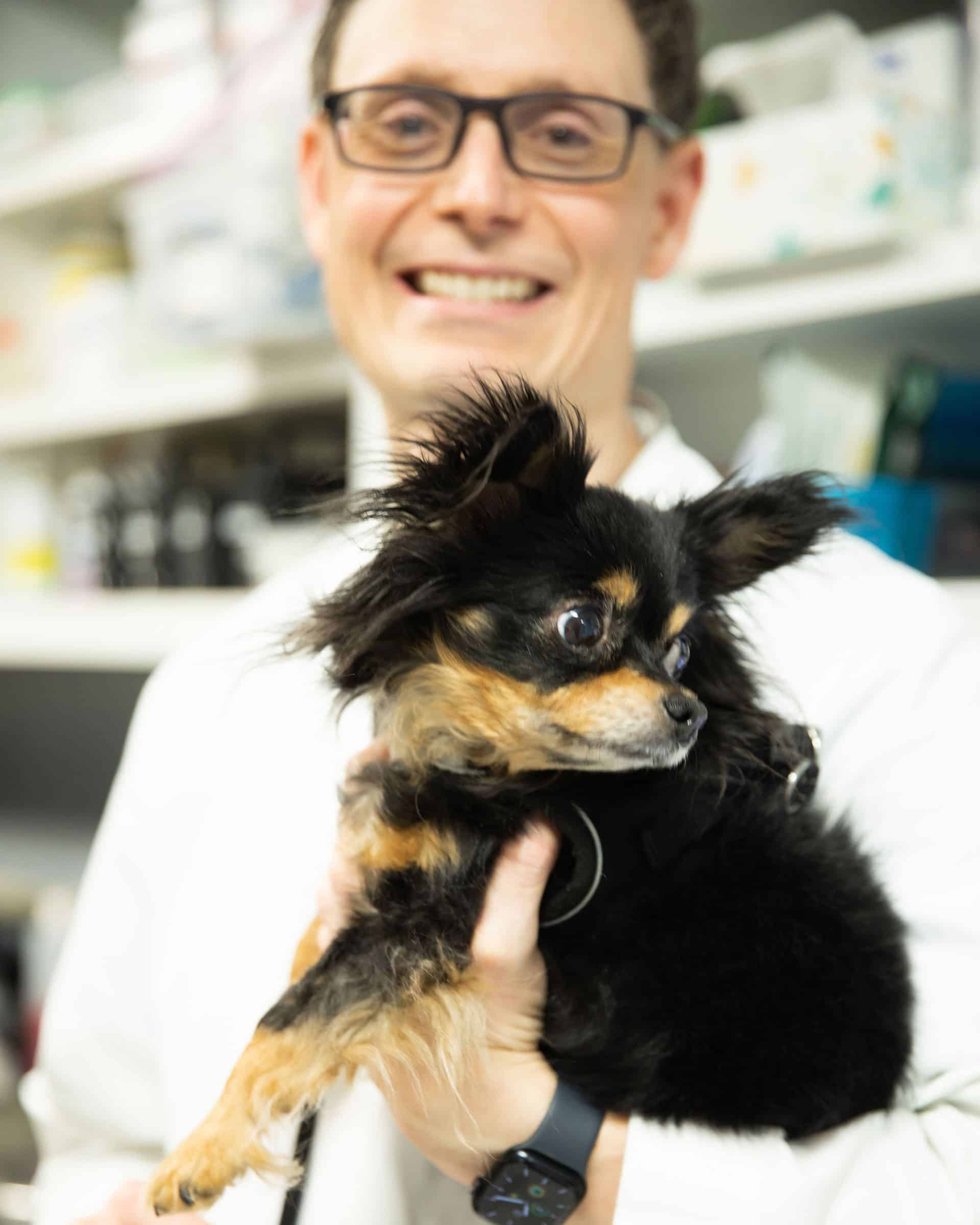
Dr. Martinez
Dr. David Martinez has more than 20 years of experience caring for pets at Hog Mountain Animal Hospital in Dacula, GA. He trained in exotic, zoo, and wildlife medicine at the University of Georgia and has a special interest in exotic pets. Outside the clinic, he’s a certified beekeeper and enjoys time outdoors with his family and his dog, Pippin.